Flexible private service with selected small-group departures available · We Guarantee 100% No Shopping Stops!
HISTORICAL CHINA WITH TIBET · 11-DAY ITINERARY
A classic China route whose central planning decision is altitude
Over 11 days, 11-Day China & Tibet Tour: Beijing, Xi’an, Lhasa & Shanghai links Arrival in Beijing with Shanghai Departure, taking in Imperial Beijing, Mutianyu Great Wall, Fly from Lhasa to Shanghai, Shanghai along the way. Meet the arranged airport transfer and settle into the hotel. Beijing’s imperial core is low and dense, but Mutianyu adds a mountain walk of roughly 4–6 kilometres with steep steps, cable-car options and long views along the restored wall. Check out and use the departure service stated in the confirmed arrangement. Soup dumplings, shengjian buns or scallion-oil noodles give the walk a local pause between the carved roofs of Yu Garden and the stone façades along the Bund. The route is best suited to travelers who prefer a private guide, a named set of sights and time for a proper meal in each place, with the daily emphasis on a focused private journey with a balanced daily rhythm. Opening hours, traffic and local access are checked during the trip, allowing the guide to reorder visits when needed.
High-speed rail handles Beijing to Xi’an, followed by flights to Lhasa and Shanghai. The first Lhasa day remains deliberately light so that ordinary city sightseeing is not presented as appropriate immediately after a major altitude change. Compare this itinerary with our wider collection of China tours.
11 days Itinerary at a Glance
Duration
11 days
Route
Beijing · Xi’an · Lhasa · Shanghai
Long-distance travel
1 high-speed train · 2 domestic flights
Tour format
Private tour / selected small-group departures
How This Route Connects
Beijing and Xi’an provide historical context before the specialist Tibet segment. Flying to Lhasa creates the largest physiological change, so the arrival day is protected. Flying onward to Shanghai then provides a lower-altitude buffer before international departure.
Travel Rhythm and Pace
The route is compact on the plains and intentionally measured in Lhasa. High altitude can make normal stairs and walking feel harder; the responsible pace is set by the traveler’s condition, not by the number of attractions printed for a day.
Trip Highlights Code: SG16
Build historical context in Beijing and Xi’an before entering the Tibetan cultural section.
Protect the Lhasa arrival day for hotel transfer, rest and observation rather than a full attraction schedule.
Separate the monastery day from the Potala Palace, Jokhang Temple and Barkhor route.
Use Shanghai as a lower-altitude final base after the Lhasa flight instead of connecting straight home.
Choose this itinerary only after document timing, altitude suitability and the approved route have been reviewed.
Book with Confidence: Free inquiry, only 10% deposit to confirm, full refund for cancellations up to 15 days prior.
DAY BY DAY
The 11-Day Journey
Daily itinerary: Arrival in Beijing → Imperial Beijing → Mutianyu Great Wall → Summer Palace and Train to Xi’an → Terracotta Army → Fly to Lhasa and Acclimatize → Lhasa Monastery and Garden Route → Potala, Jokhang and Barkhor → Fly from Lhasa to Shanghai → Shanghai → Shanghai Departure.
INTERACTIVE ROUTE MAP
Historical China with Tibet
Drag to explore, use + / − to zoom, and select a numbered stop for details.
Meet the arranged airport transfer and settle into the hotel. The Historical China with Tibet route moves on to Imperial Beijing, while Fly to Lhasa and Acclimatize has its own later place in the plan. Use the free hours for recovery and to verify the real-name attraction and rail details for the next part of the journey.
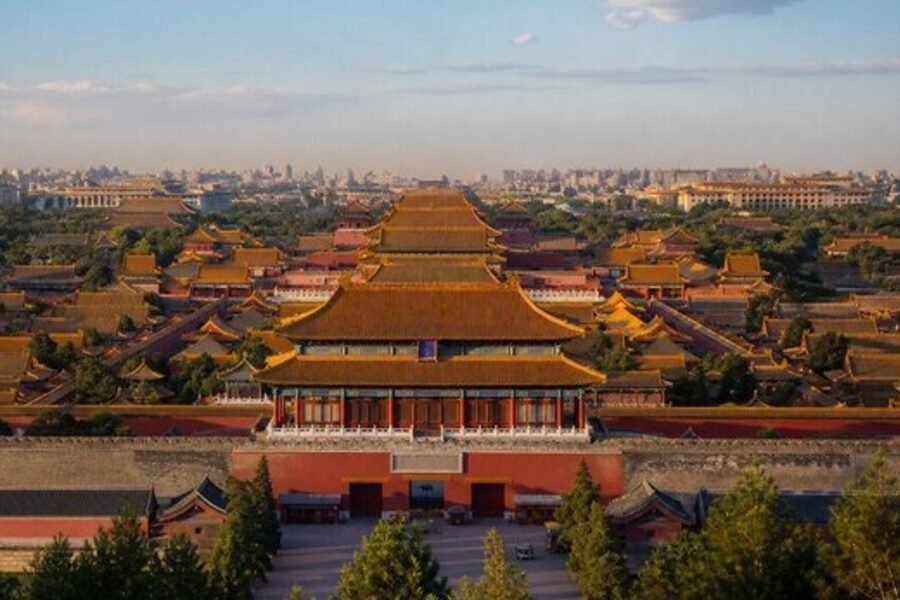
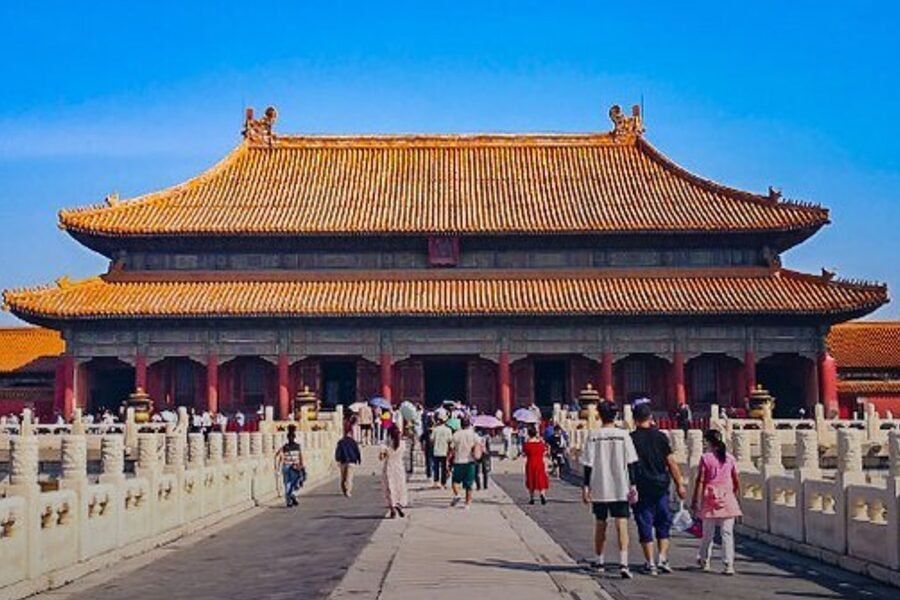
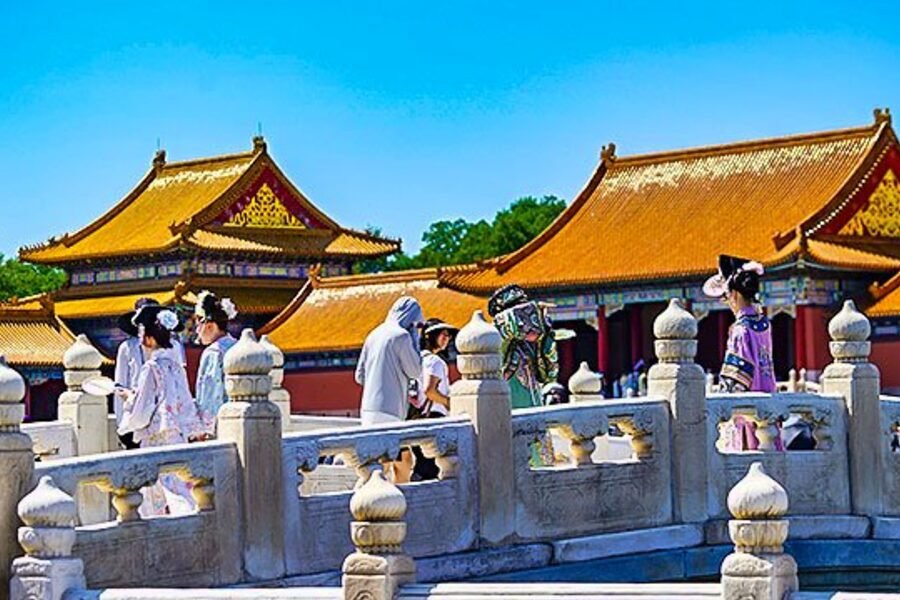
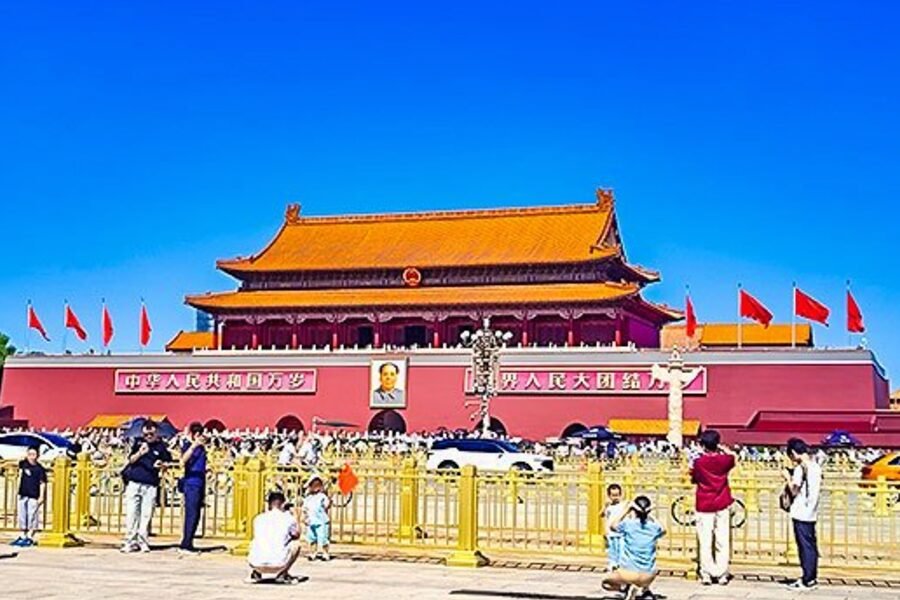
Visit the Tiananmen and Forbidden City area before continuing to the Temple of Heaven under the current entry plan. In Historical China with Tibet, Imperial Beijing comes before Mutianyu Great Wall; the separate Fly to Lhasa and Acclimatize visit adds a second point of reference. Keep the day centered on imperial and ceremonial history instead of adding unrelated evening promises.
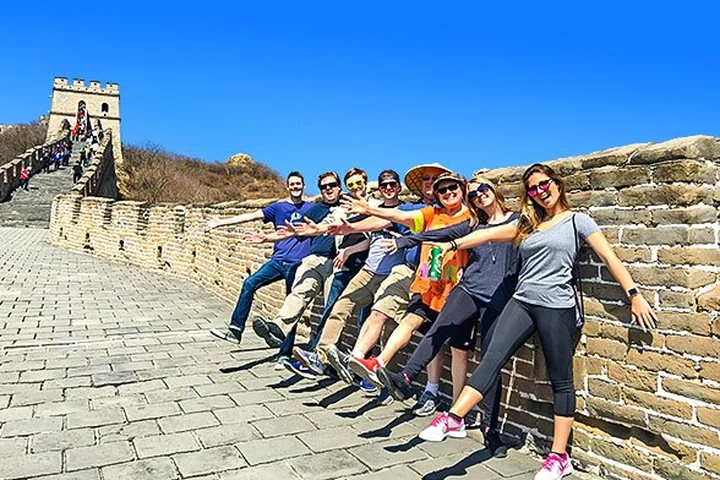
Travel to Mutianyu and select an operating route appropriate to the group’s walking ability. Historical China with Tibet develops its local heritage theme further at Fly to Lhasa and Acclimatize, after this Mutianyu Great Wall visit. The road return and changing outdoor conditions should remain part of the day plan.
Use the morning for the Summer Palace, then transfer to the correct Beijing station for the issued high-speed train. The Historical China with Tibet route moves on to Terracotta Army, while Fly to Lhasa and Acclimatize has its own later place in the plan. Meet the Xi’an arrival service and check in without adding a late city circuit.
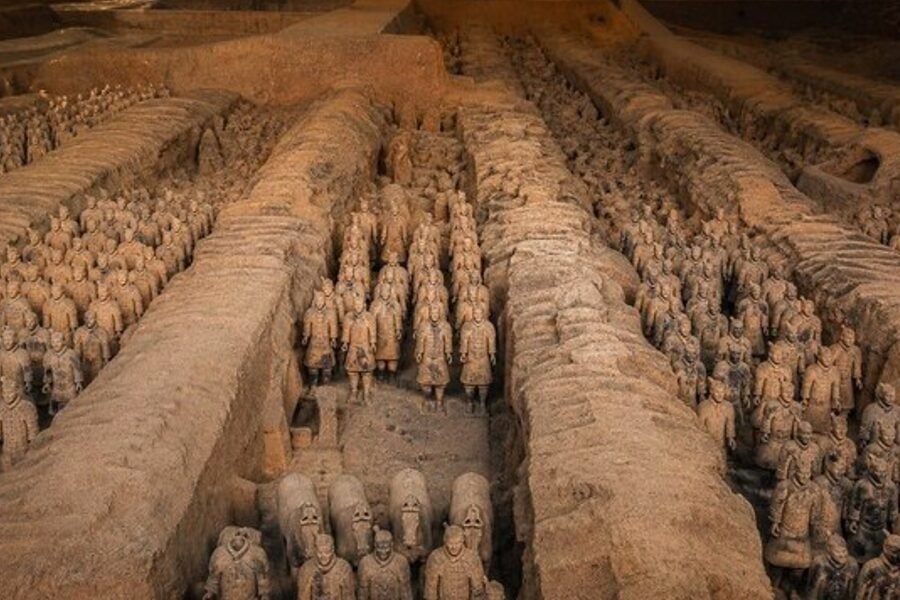
Devote the day to the Terracotta Army and its archaeological setting after Summer Palace and Train to Xi’an; Fly to Lhasa and Acclimatize follows on the next day. Any additional Xi’an stop must fit the final service list and should not turn the day before the Lhasa flight into an exhausting program. Once Summer Palace and Train to Xi’an is complete, the Terracotta Army’s main halls require about 2–3 kilometres of level walking through Pit 1, the smaller pits and the bronze-chariot exhibition.
Transfer for the flight and meet the approved local arrangement on arrival after Terracotta Army; Lhasa Monastery and Garden Route follows on the next day. Check in, rest and keep exertion low; do not treat feeling well in the first hours as proof that a demanding activity is appropriate. The transfer toward Fly to Lhasa and Acclimatize includes sensible comfort stops around the actual road or rail schedule. Keep water and valuables in hand luggage; on arrival, the guide prioritizes check-in and the named local visit before the next day's Lhasa Monastery and Garden Route instead of adding an unrelated detour.
Visit Drepung Monastery, Norbulingka and Sera Monastery as access and the group’s response to altitude allow after Fly to Lhasa and Acclimatize; Potala, Jokhang and Barkhor follows on the next day. The guide may reduce the combination when walking, stairs or fatigue make the original order unsuitable. Around Lhasa Monastery and Garden Route on Day 7, Sera Monastery’s assembly halls and debating courtyard sit on Lhasa’s northern edge at roughly 3,650 metres, with the debate schedule checked locally. At Lhasa Monastery and Garden Route, allow time to explore the principal sight and its immediate surroundings on foot, with the guide confirming the best entrance and current opening hours.
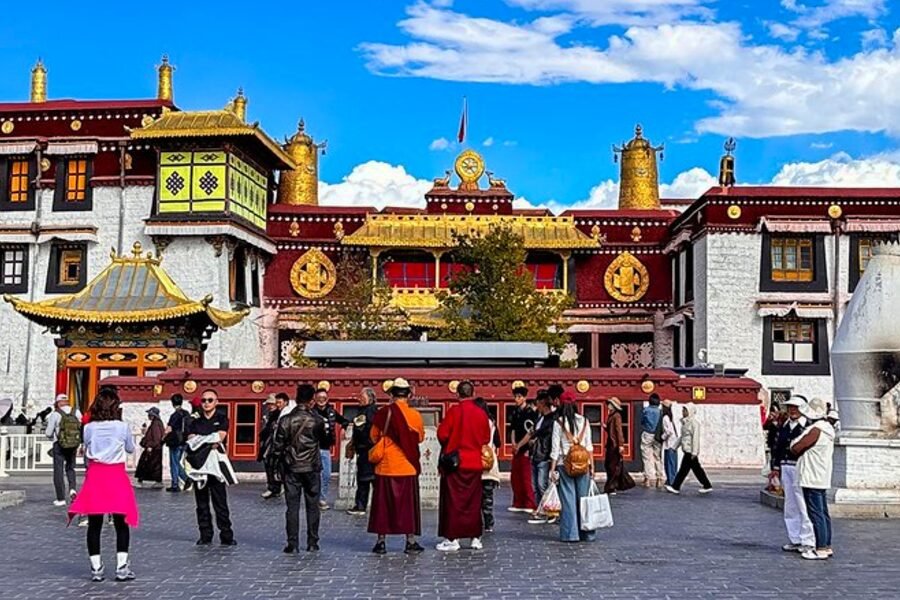
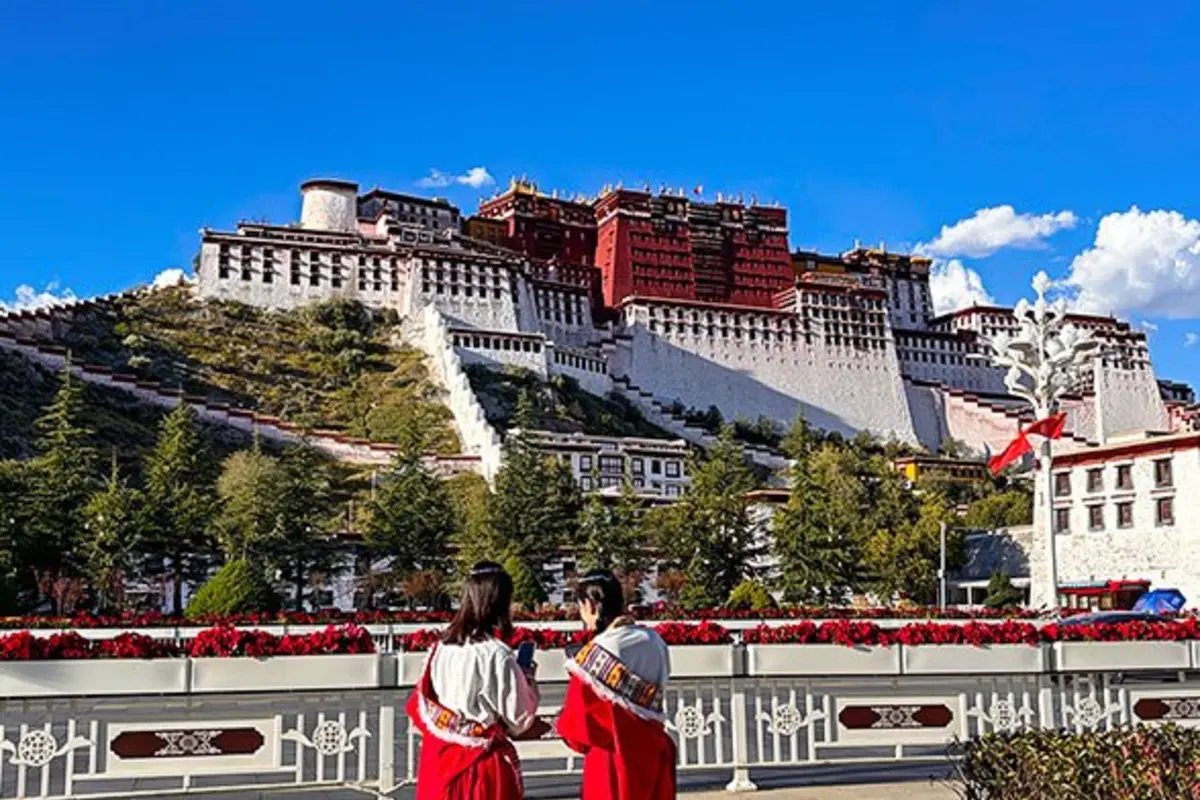
Follow the confirmed Potala Palace entry before continuing to Jokhang Temple and Barkhor Street after Lhasa Monastery and Garden Route; Fly from Lhasa to Shanghai follows on the next day. Timed access, religious activity and visitor flow govern the sequence; respectful observation takes priority over completing every stop. During Potala, Jokhang and Barkhor, the guide links the named sights through local history and details visible on the ground. Around Potala, Jokhang and Barkhor on Day 8, allow time to walk rather than photograph each stop from the vehicle, ask before photographing people or ceremonies, and choose a nearby local meal so the visit remains focused on this part of the route.
Use this as an altitude-to-coast transfer and recovery day after Potala, Jokhang and Barkhor; Shanghai follows on the next day. Meet the Shanghai service after the flight and avoid attaching a fixed evening activity to a journey that may vary in duration. The transfer toward Fly from Lhasa to Shanghai includes sensible comfort stops around the actual road or rail schedule. The China and Tibet Tour: Beijing, Xi’an, Lhasa and Shanghai plan reaches Fly from Lhasa to Shanghai on Day 9: keep water and valuables in hand luggage; on arrival, the guide prioritizes check-in and the named local visit before the next day's Shanghai instead of adding an unrelated detour.
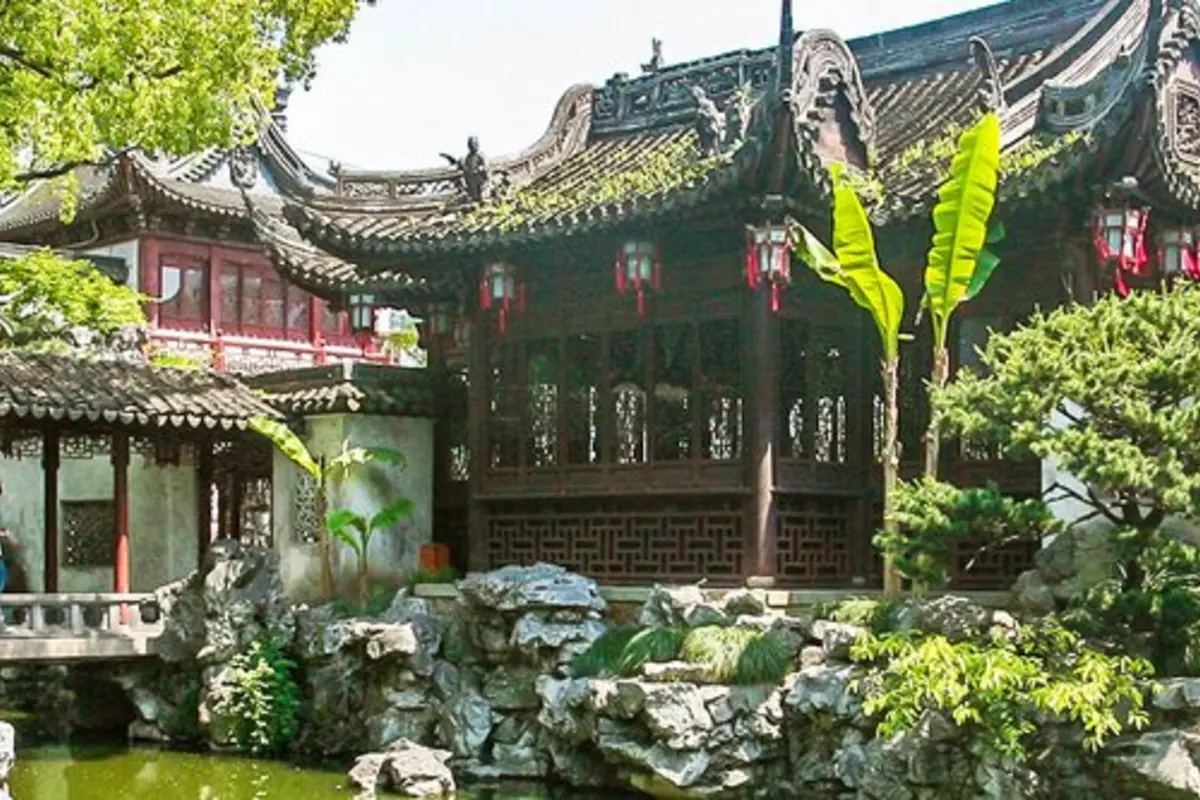
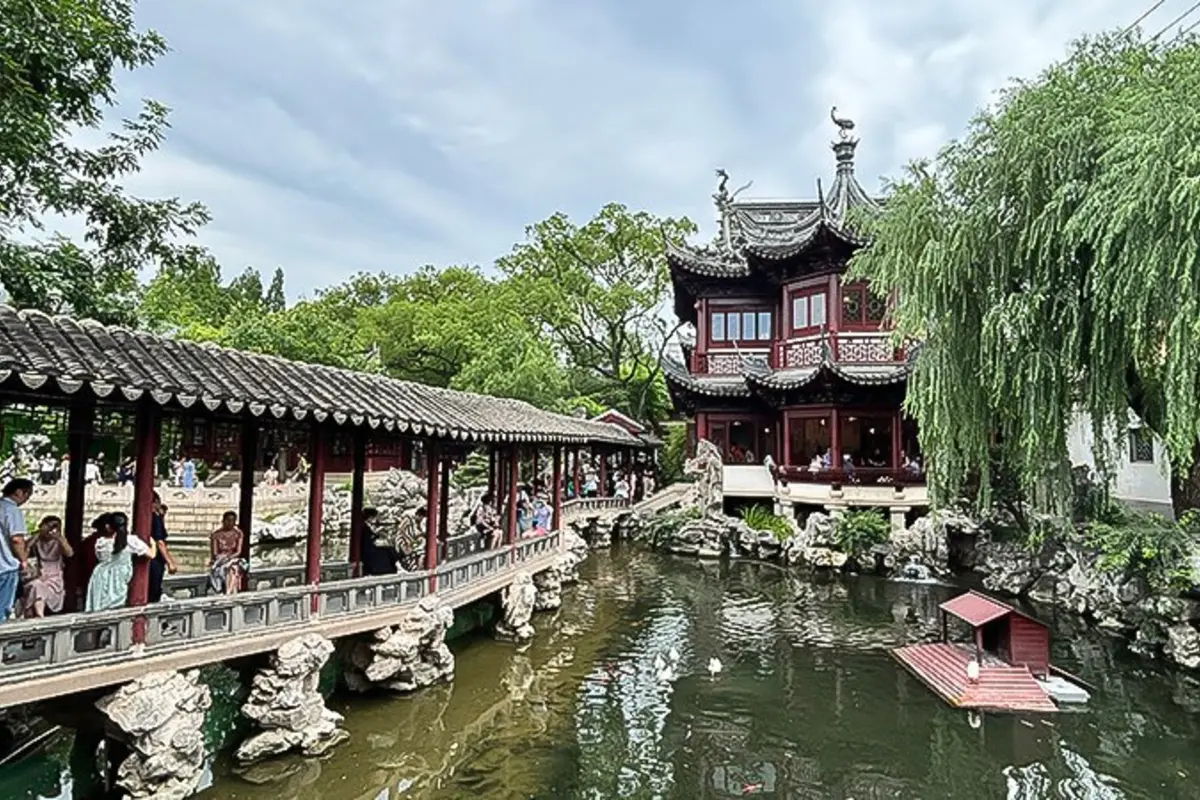
Link Yu Garden and the old city with the selected Shanghai Museum venue and the Bund. Earlier in Historical China with Tibet, Fly from Lhasa to Shanghai formed a separate part of the journey before Shanghai. Add a Huangpu River cruise only when the current boarding and timing complement the reserved daytime visits.
Check out and use the departure service stated in the confirmed arrangement. Coming from Shanghai, the Historical China with Tibet itinerary now turns to Shanghai Departure. Keep the final hours close to the hotel and optional.
2–3 US$2,675 / person4–5 US$2,555 / person6+ Contact Us
✓ Free inquiry✓ 10% deposit✓ Full refund up to 15 days prior
Typical Overnight Bases
Only places used by this itinerary are shown below. The final hotel list follows confirmed transport, season and room availability; upgrades and room preferences can be customized.
Beijing Selected 4-star city hotelLhasa Selected 4-star city hotelShanghai Selected 4-star city hotel
✓ Price Includes
Transport listed in the itinerary
Air-conditioned vehicle with licensed driver
Professional English-speaking guide
Selected accommodation when the itinerary includes an overnight stay
Entrance fees for listed sights
⊘ Price Excludes
International airfares
China visa fee if applicable
Personal expenses and gratuities
Meals not specifically listed in the itinerary
Who Is This Tour For?
Choose this route for a first structured introduction to Tibetan heritage combined with China’s classic historical cities, when the traveler accepts additional document and altitude planning.
It is not suitable for anyone whose health advice rules out the altitude or who needs a flexible independent Lhasa itinerary. A Beijing–Xi’an–Shanghai route removes the high-altitude and permit-dependent section.
Travel Tips for This Itinerary
Begin the document process early and keep passport details consistent across permits, flights, rail and attraction bookings.
Treat the first Lhasa day as protected recovery time even if the flight arrives early.
Report symptoms promptly to the local team and reduce the plan rather than trying to recover lost checklist time.
Check current entry requirements early with the China visa guide.
Read our practical China travel tips for packing, payments and daily preparation.
B, L and D indicate included breakfast, lunch and dinner. Unmarked meals are not included.
Practical Information to Confirm
Confirm the current Tibet travel-document process, submission deadlines and approved itinerary with the responsible tour team before buying dependent transport.
Seek qualified medical advice about personal altitude risk where relevant; a tour page cannot determine fitness to travel or prescribe acclimatization treatment.
Final flights, hotels, guides, admissions and meals must be shown in writing. Permit policy and attraction access can change after this page is published.
Frequently Asked Questions
Why is the first Lhasa day so light?
The route moves rapidly from Xi’an to high-altitude Lhasa. The arrival day is reserved for hotel transfer, rest and monitoring so the next days can be adjusted responsibly.
What travel authorization is required for Tibet?
International visitors generally require additional Tibet travel authorization under current rules. The exact process, eligible itinerary and timing must be confirmed for the traveler’s documents and dates.
Can this webpage tell me whether altitude is medically safe?
No. Personal health suitability requires qualified medical advice. The tour team can explain the route and practical walking demands but cannot replace a clinician.
Can the Tibet section be changed after documents are submitted?
Changes may affect authorization and confirmed transport. Discuss any extension or substitution before submission; never assume the approved itinerary can be altered independently.
How does the walking compare with a city-only tour?
The named Lhasa sites include steps and long internal distances, and altitude can increase perceived effort. The local sequence may need to be shortened even when the same traveler manages Beijing comfortably.
Which product facts remain subject to confirmation?
Permit handling, flights, hotels, exact timed entries, daily access, meals and any special activities remain controlled by the written booking and current operating rules.