
Great Wall photographs show many different monuments, not one continuous restored walkway. Brick ridges near Beijing, fortified passes by the coast, earthen remains in the northwest and weathered watchtowers belong to different periods and landscapes. Identifying the section is the first step toward responsible photo planning.
Choose a Section by Visual Character
Mutianyu
Restored wall, broad mountain views and assisted ascent options make it practical for a first visit and varied compositions.
Badaling
Monumental restored architecture and developed access can work well, but crowd timing and restricted viewpoints require patience.
Jinshanling
Long ridgelines and a mixture of restored and weathered features suit stronger walkers with more time.
Frontier passes
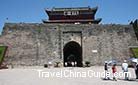
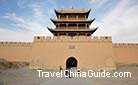
Shanhaiguan and Jiayuguan explain coastal and desert geography that differs from the famous Beijing mountain image.
Do not choose an unrestored area simply because photographs call it “wild.” Access may be closed or unsafe, and fragile masonry can be damaged by foot traffic. Use the Great Wall travel guide to compare legitimate visitor sections, transport and hiking level.
Light, Weather and Seasonal Reality
Mountain weather changes quickly. Low cloud can erase distant ridges, while rain, snow or ice makes stone steps hazardous. Clear winter air may bring severe cold and wind; summer greenery may arrive with heat, humidity and storms. Autumn color is never guaranteed on a specific date.
Side light can reveal brick texture and ridge shape, but opening hours, road access and section rules determine whether sunrise or sunset is possible. Never enter a closed area or remain after operating hours for a photograph. Check the current forecast and official section notice shortly before travel.
Build a Safe Photography Day
- Confirm the exact section, entrance, opening status and return transport.
- Choose a route that matches the least mobile person in the party.
- Carry water, layers, sun or rain protection and shoes with reliable grip.
- Keep camera equipment compact enough for steep stairs and crowded towers.
- Set a turnaround time and preserve energy for the descent.
- Have an alternate plan when wind, lightning, ice or low visibility makes the route unsafe.
A tripod can obstruct narrow walkways and may be restricted. Keep bags close, do not spread equipment across tower floors and let other visitors pass. Drones require current legal and site-specific verification; famous imagery online does not prove permission.
Photograph the Wall as Heritage
Include watchtowers, passes, terrain and building material to tell a fuller story. A low earthen line can be historically significant even when it lacks dramatic battlements. Captions should name the section accurately and avoid repeating myths as fact, such as the claim that the wall is plainly visible from the Moon.
Do not carve names, remove fragments, balance gear on parapets or climb unstable walls. Avoid directing people onto closed masonry for a portrait. Responsible photography records condition without contributing to deterioration.
People, Crowds and Composition
Crowds are part of the present-day story of major sections. Use patience, closer details or a different legal viewpoint instead of pushing people aside. Ask before making a recognizable portrait of another visitor, guide, vendor or resident. Avoid publishing children’s images without informed permission.
For a quieter experience, consider a managed section and time with lower expected demand rather than trespassing. Holidays and weekends can alter crowd levels and traffic. A private transfer may improve logistics, but it does not provide special access beyond conservation rules.
Edit and Caption Honestly
- Identify the section and approximate date when sharing travel information.
- Disclose composite skies or major changes when the image is presented as documentary.
- Do not geotag fragile unofficial access points.
- Keep enough context to show the wall’s relationship with terrain.
- Avoid captions that confuse legends with archaeological evidence.
- Store backups before traveling onward; dust, cold and rain are hard on equipment.
Great Wall Pictures FAQ
Which Great Wall section is best for photography?
Mutianyu is a practical first choice, while Jinshanling suits longer ridge compositions. The best section still depends on access, fitness and weather.
Can I visit the Great Wall at sunrise?
Only where current opening and access rules allow it. Verify the specific section and do not enter closed areas before operating hours.
Are tripods and drones allowed?
Rules vary by section and can change. Confirm current site and airspace restrictions; never block walkways or fly without permission.
How can I avoid crowds?
Choose a suitable managed section, avoid major holidays where possible and start at a legitimate lower-demand time. Crowds cannot be guaranteed away.
 Recommended Itineraries including the Great Wall: