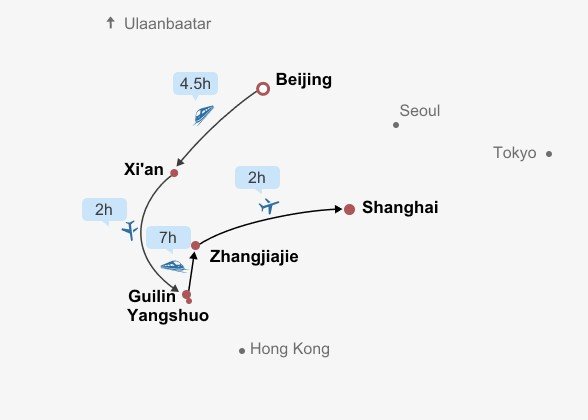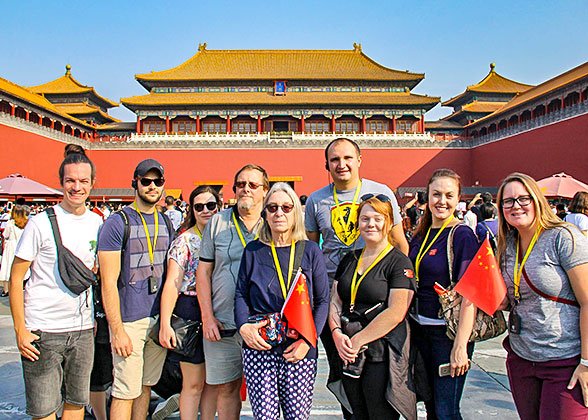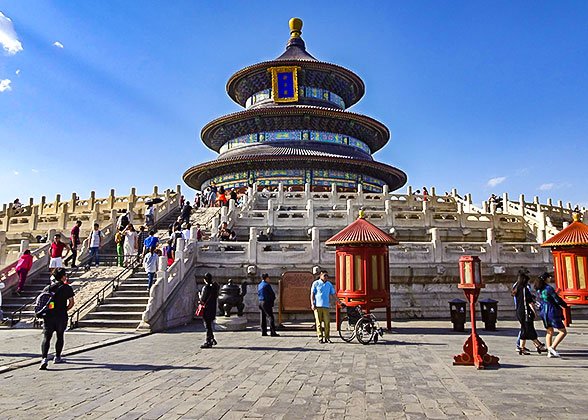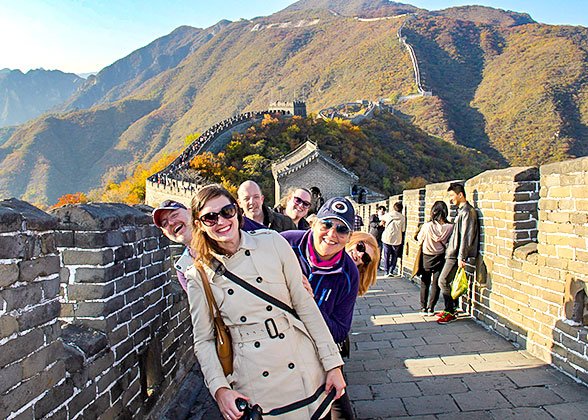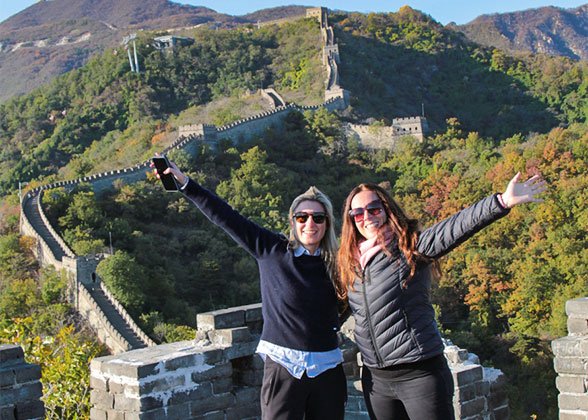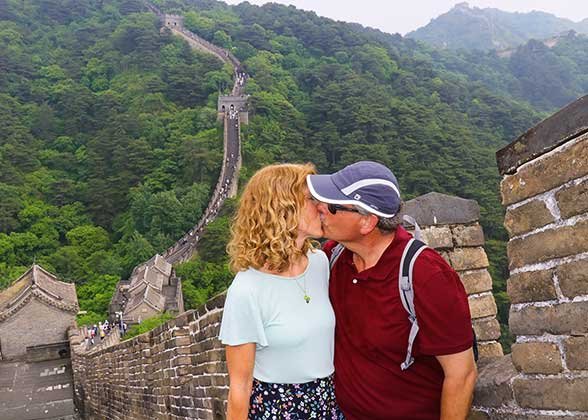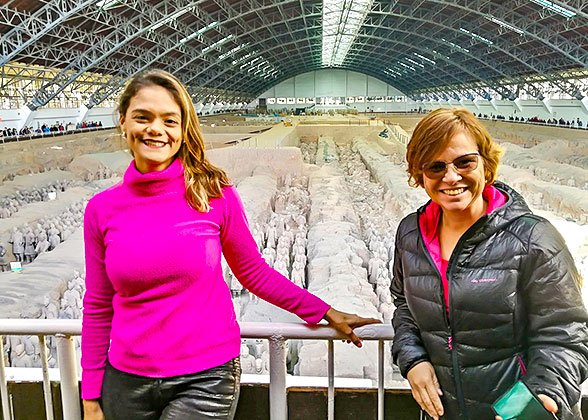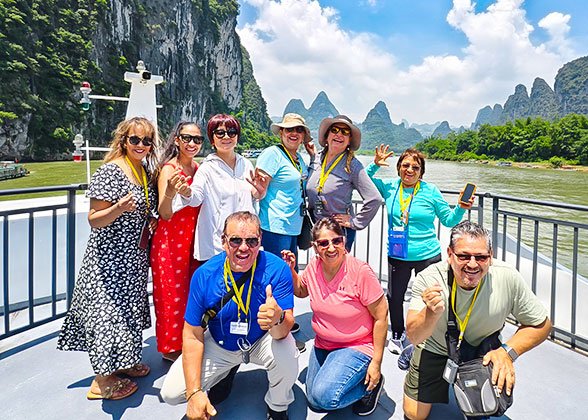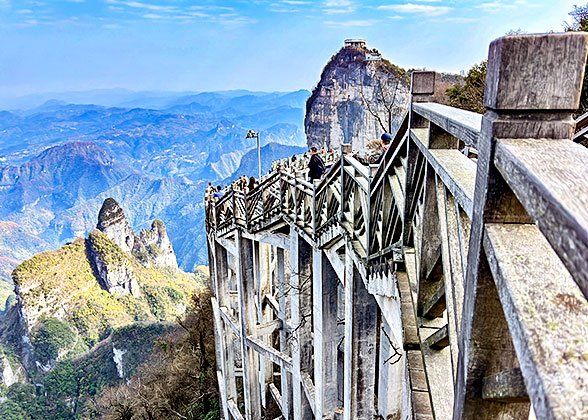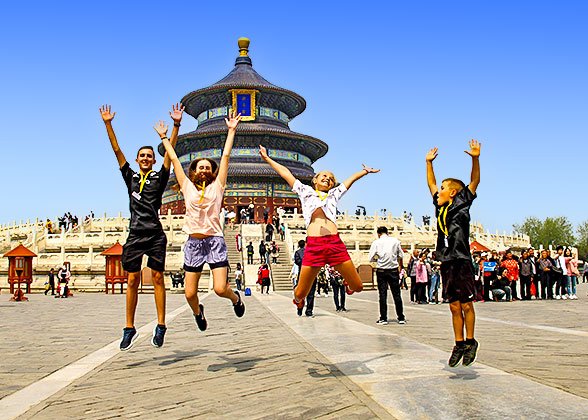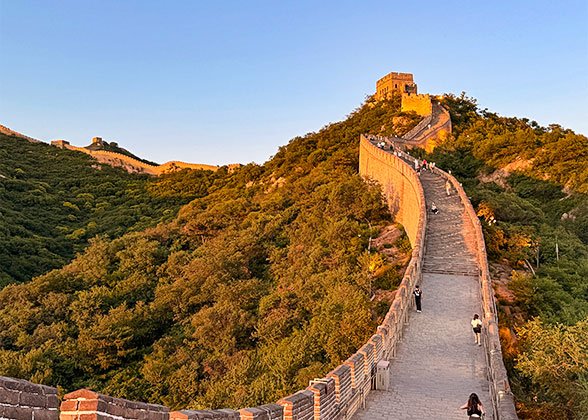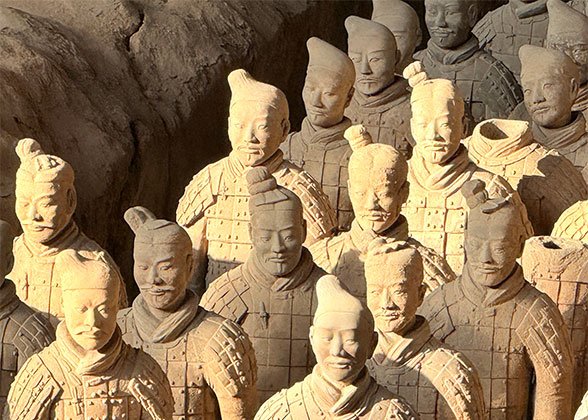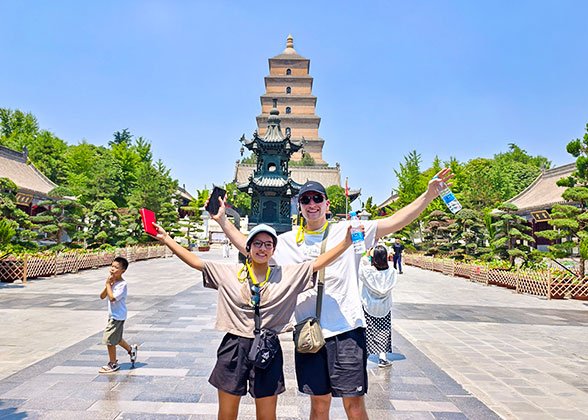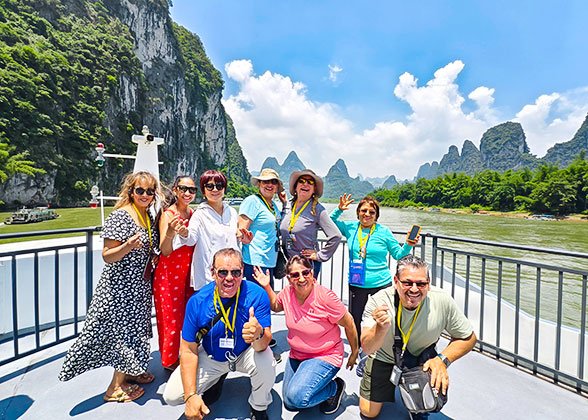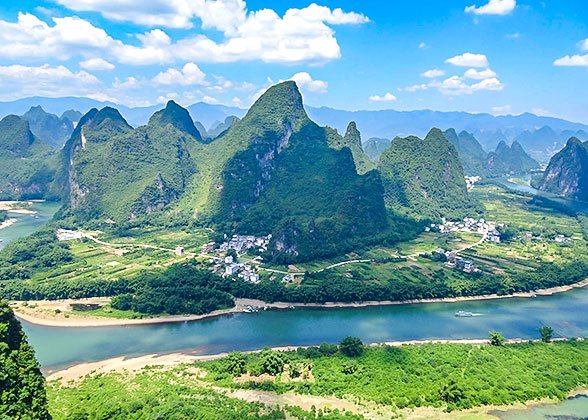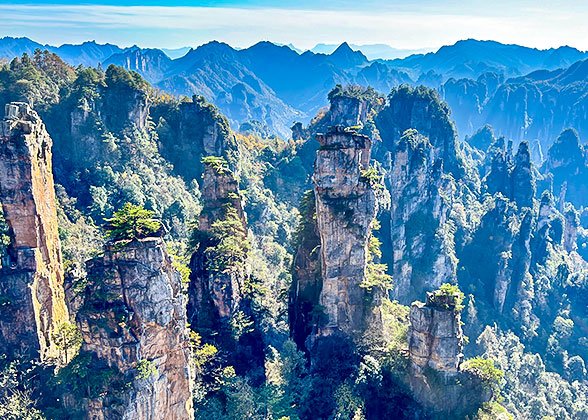

This 14-day China itinerary links the imperial landmarks of Beijing and Xi'an with the karst scenery of Guilin and Yangshuo, the high viewpoints of Zhangjiajie and the urban contrast of Shanghai. Its strength is variety, but that variety creates several flights or rail transfers and very different walking conditions. Choose it when landscape is as important as history, and protect enough time at every gateway rather than treating the route as a race between famous photographs.
Best for
First-time visitors who want classic heritage, two distinct karst landscapes and a modern-city finish in one organized journey.
Think twice if
Frequent packing, steps, shuttle systems or weather-dependent mountain views would make the holiday feel more stressful than rewarding.
Key decision
Compare private and small-group arrangements by actual guide coverage, transfers, included meals and contingency support—not headline price alone.
Understand the Route before You Book
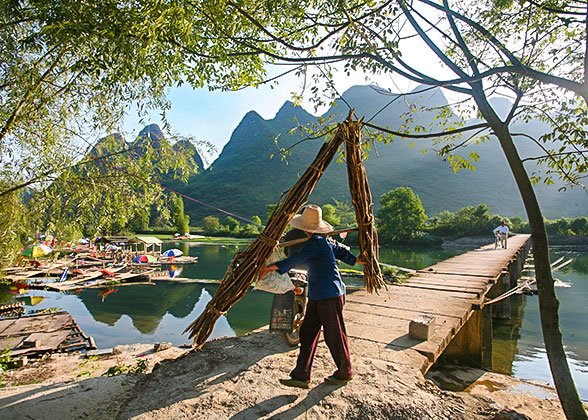
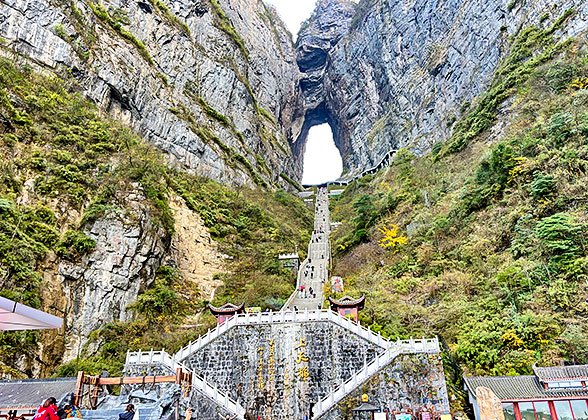
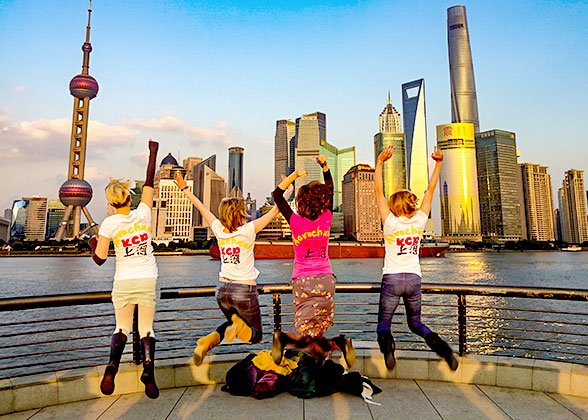
Beijing and Xi'an form the historical spine. Beijing normally requires substantial walking and advance identity-based reservations for major sights, while Xi'an adds the Terracotta Army outside the center and a separate city-wall experience. Guilin and Yangshuo then change the pace: a Li River journey is a landscape transfer as well as an excursion, but pier logistics, water levels and weather can affect the experience. Zhangjiajie is another independent landscape system with park shuttles, lifts, cableways, queues and possible visibility problems. Shanghai works well at the end because its airports and rail links simplify departure, but it still deserves time beyond a single skyline stop.
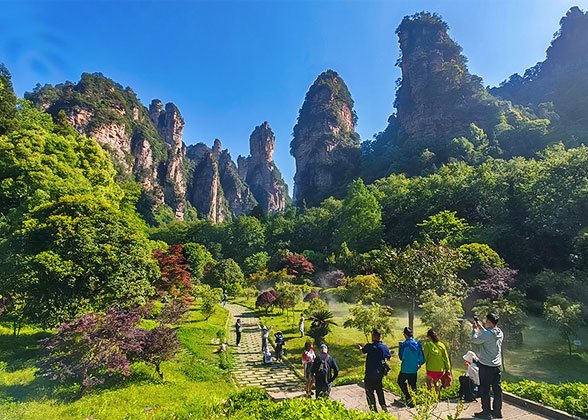
Do not assume that Guilin karst and Zhangjiajie are interchangeable. Guilin is shaped by rivers, villages and lower limestone towers; Zhangjiajie involves elevated paths, dramatic sandstone pillars and more intensive vertical transport. Travelers chiefly interested in heritage may prefer a slower Beijing, Xi'an and Shanghai route. Those who want an additional river landscape but fewer mountain transfers can compare the Guilin-focused 11-day itinerary.
Plan Tickets, Passports and Transfers as One System
Names on transport and attraction bookings should match the passport that will be carried on the trip. Ask who obtains reservations, when passport details are required, whether tickets are confirmed or merely requested, and what happens if a timed entry is unavailable. Train stations and airports serving the same city may be far apart; the useful transfer description includes the exact terminal or station, realistic road time, meeting point and assistance with boarding—not just “private transfer.”
A one-night stop followed by an early departure can remove the very experience the route promises. Check the number of usable hours in Yangshuo and Zhangjiajie after transfer time is deducted. If a domestic flight is used, allow for airport access and security; if high-speed rail is used, confirm the station rather than relying on the city name. Independent travelers should avoid separate, tightly connected tickets that leave no recovery margin.
Match the Itinerary to Energy and Access Needs
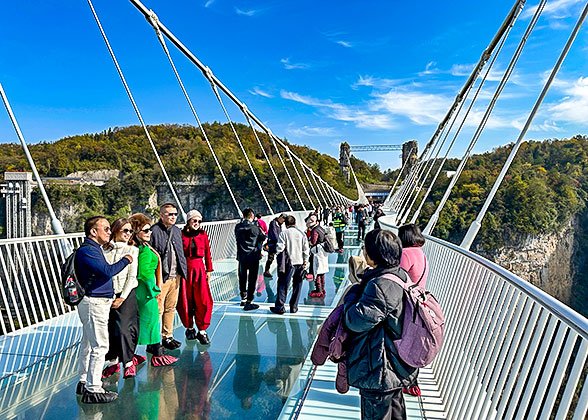
This is not a uniformly easy tour. The Forbidden City, Great Wall, Terracotta Army precinct, riverside paths and mountain parks each create different barriers. Ask for daily walking distance, stairs, steep or uneven surfaces, standing time and the availability of lifts or rest stops. “Cable car included” does not mean step-free access from the vehicle to every viewpoint. A traveler who uses a wheelchair, walks slowly or experiences vertigo needs a named alternative route for Zhangjiajie and the Glass Bridge, not a general assurance that the tour is accessible.
Heat, rain, fog and thunderstorms can change both comfort and visibility. Pack shoes with grip, sun and rain protection, and a small layer for air-conditioned transport. Do not pressure a guide to ignore a safety closure in order to preserve a photograph. Families should consider whether two mountain areas and repeated hotel changes suit the youngest traveler; older travelers may value a private arrangement with control over start times and rest breaks.
Travel Responsibly across Very Different Places
At palaces, archaeological sites and traditional neighborhoods, follow barriers and photography rules and avoid presenting local residents as scenery. In villages around Yangshuo, use marked routes, ask before photographing people and do not enter crops or courtyards for a better angle. In Zhangjiajie, stay on managed paths, carry waste out and never feed macaques or other wildlife. Animal encounters, staged photographs and captive-animal add-ons should be assessed for welfare rather than accepted automatically.
Request restaurant names or meal standards where possible, disclose allergies in writing and carry a translated allergy note. “Vegetarian” can still include animal stock, and buffet separation may not protect against severe cross-contact. Shopping should be voluntary: confirm that sightseeing time will not be diverted to compulsory retail, factory or commission stops. If a tea, silk or craft visit is presented as cultural interpretation, ask whether purchases are expected and whether declining affects the itinerary.
Compare the Booking, Not Just the Route Name
| Question | Why it matters | Evidence to request |
|---|---|---|
| Which departures are guaranteed? | Small-group operation may depend on minimum numbers. | Written departure status and the remedy if a group does not form. |
| What is included each day? | Similar route names can hide different tickets, meals and guide hours. | Day-by-day inclusions, exclusions and optional costs. |
| How are disruptions handled? | Mountain weather or transport changes can remove a planned activity. | Alternative plan, refund basis and responsible contact. |
| Where are the hotels? | A distant hotel reduces usable time and independent evening options. | Named hotel or location standard before final payment. |
Oriental Discovery Tour FAQ
Is 14 days enough for Beijing, Xi'an, Guilin, Zhangjiajie and Shanghai?
It is workable as a structured highlights trip, but it remains transfer-heavy. Count nights and usable sightseeing hours in each place, not destination names alone.
Should I choose a private tour or a small group?
Choose by pace, mobility, dates and desired flexibility. A group can offer value and company; a private trip is easier to adapt when rest, food or access needs are specific.
What if Zhangjiajie is foggy or a mountain facility closes?
Views and operations cannot be guaranteed. Ask for a safe alternative route and the written policy for materially changed or unused inclusions.
Does a no-shopping tour mean there are no purchase opportunities?
It should mean no compulsory, commission-driven retail stops. Normal markets and voluntary purchases may remain; confirm how the operator defines the promise.