Shanghai is best explored through contrasts: the Bund and Pudong skyline, lane neighborhoods and new design districts, local food and global commerce. Two full days cover the urban essentials; three or four allow museums, deeper neighborhood time or one carefully chosen regional day trip.

A Balanced Three-Day Plan
Time the Bund for comfortable walking and useful light, but do not build the whole day around one skyline view. River conditions, fog and weather can affect cruises and observation decks. A good plan still works when the top of a tower is hidden.
Choose Neighborhoods by Interest
Bund and Huangpu
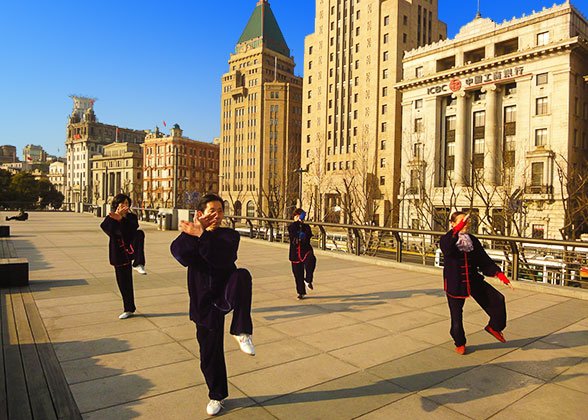
Architecture, banking history and river geography. Read building context instead of only photographing the skyline.
Former concession areas
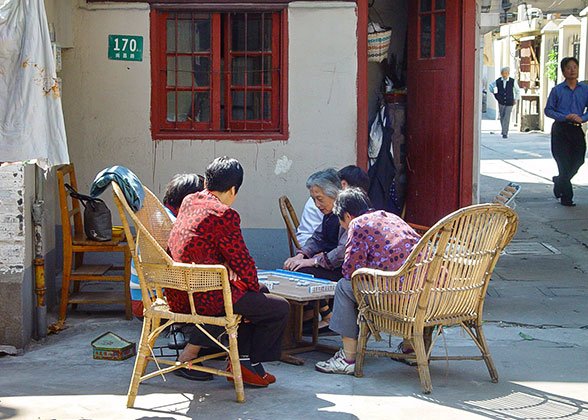
Tree-lined streets, lane housing, shops and food. Remember that many lanes remain residential.
Pudong
Modern planning, finance and vertical views. Choose one observation experience rather than paying for several similar towers.
Museums and design
Select institutions by collection and current exhibition, then verify opening day and named-reservation rules.
Museums, Tickets and Closures
Shanghai has major museums of art, history, technology and urban development, but opening arrangements can change. Check the current venue, collection status, closure day and reservation method. Do not assume a famous institution occupies the same building or uses walk-in entry.
Observation decks, river cruises and performances may use timed tickets. Compare weather, cancellation terms and the view offered before booking. Keep one indoor and one outdoor option so the day can respond to heat, rain or low cloud.
Choose a Regional Day Trip
| Option | Best for | Planning caution |
|---|---|---|
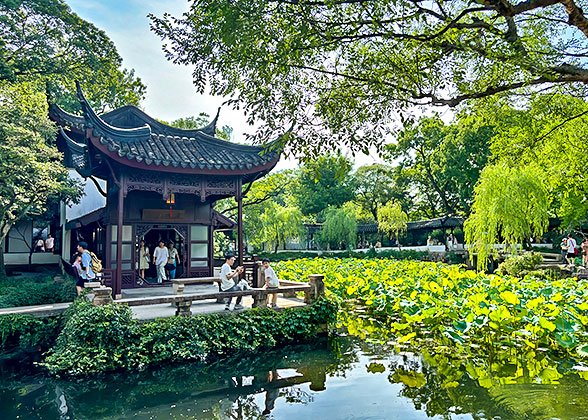
| Suzhou | Classical gardens, canals and regional history | Choose priority gardens; rushing through several reduces the experience. |
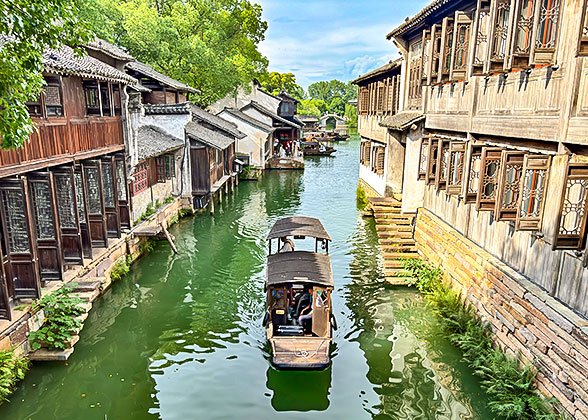
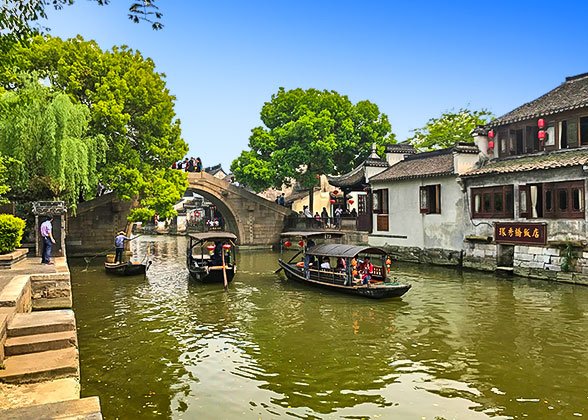
| Water town | Canals, bridges and compact historic fabric | Compare travel time, crowd levels and how commercial the center feels. |
| Hangzhou | West Lake, tea landscape and a larger city context | It deserves a full day or overnight rather than a brief transfer stop. |
Transport and Hotel Location
Shanghai has multiple airports and railway stations. Match the station to the actual train before choosing a hotel or transfer. The metro is extensive, but interchange walks can be long. Save addresses in Chinese and allow extra time during peak commuting periods.
Stay near a useful metro line and the districts you will explore. Bund-facing views can be expensive and do not always improve daily logistics. Compare room quiet, lift access, breakfast, passport registration and the walking route from the station.
Food and Respectful Neighborhood Visits
- Try soup dumplings carefully; hot broth can cause burns if rushed.
- Explore noodles, braised dishes and seasonal Jiangnan ingredients beyond one famous snack.
- Visit lane neighborhoods quietly and avoid photographing private windows or residents without permission.
- Use visible prices and decline unsolicited invitations to tea, bars or art sales.
- Group restaurants by district instead of crossing the city for every meal.
- Review the tourist-trap guide for common pressure tactics.
For additional district and airport detail, continue with the Shanghai travel guide.
Shanghai Tours FAQ
How many days should I spend in Shanghai?
Two full days cover major city contrasts; three or four allow museums, neighborhoods and one thoughtful day trip.
Which water town is best from Shanghai?
There is no single best choice. Compare travel time, scale, crowd tolerance and whether you prefer a compact town or a broader Suzhou visit.
Should I stay on the Bund?
Only if the view and atmosphere justify the price. Metro access, quiet, room quality and district interests may matter more.
Is Shanghai suitable for a first arrival in China?
Yes. International connections and urban transport are strong, but allow recovery time and save essential addresses and payment backups before arrival.