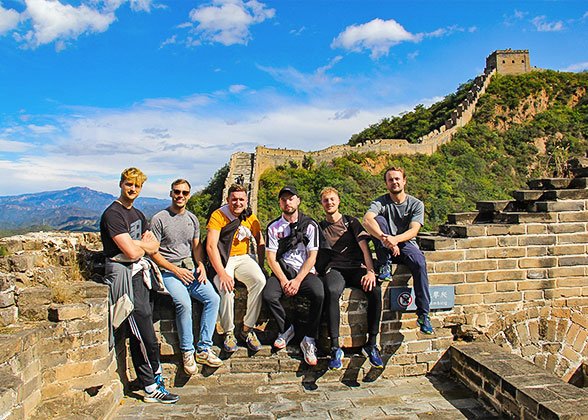
Beijing rewards structure. Its imperial core, large museums, northern neighborhoods and outlying Great Wall sections cannot be compressed without losing context. Three full days cover the essentials; four or five allow a more balanced mix of architecture, everyday city life and one unhurried wall visit.
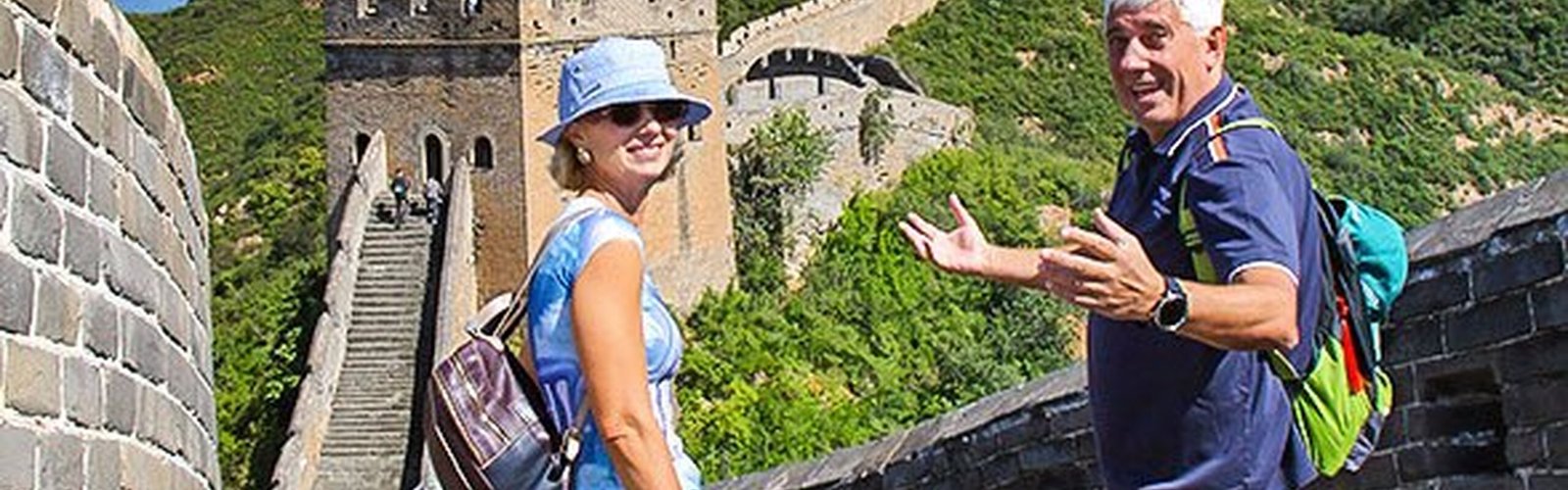
Build a Three-to-Five-Day Route
Keep the Forbidden City and Great Wall on separate days. Both involve significant walking and fixed logistics. Place indoor museums or flexible neighborhoods where weather or closures are more likely to affect the plan.
Choose a Great Wall Section
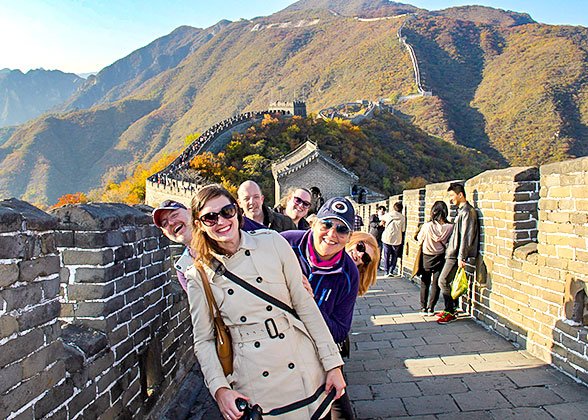
Mutianyu
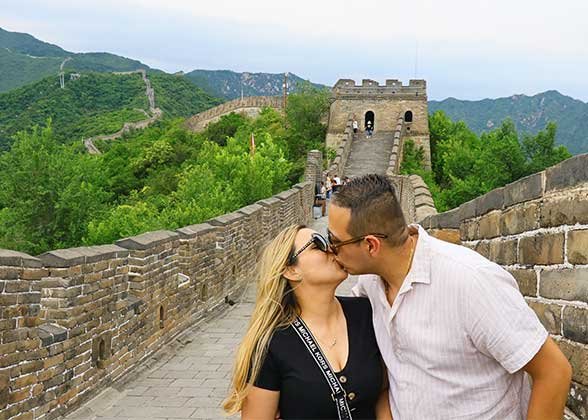
A practical first choice with restored walking, broad views and transport options. Cableway arrangements and operating status should be confirmed.
Badaling
Highly accessible from the city and historically important, but crowd levels can be intense on holidays and popular dates.
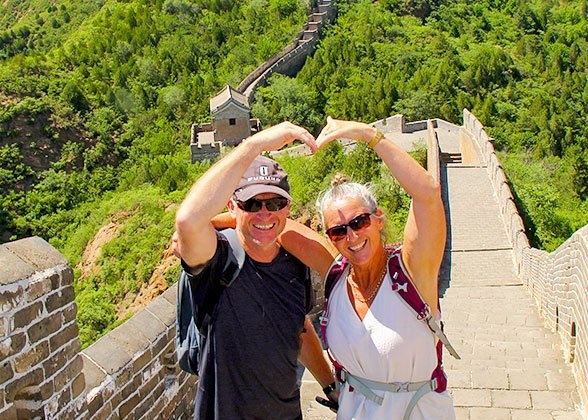
Jinshanling
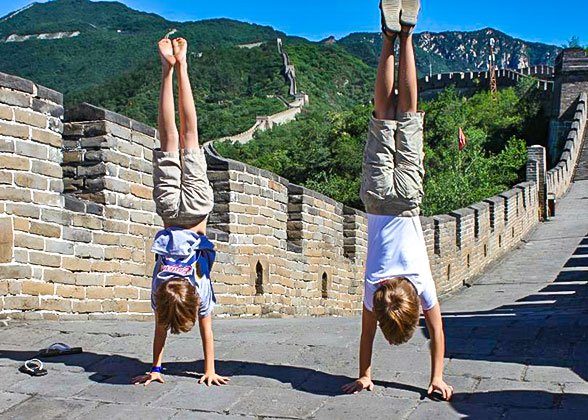
Suited to travelers seeking longer walks and a mix of restored and rugged scenery. Transfer time and trail conditions require planning.
Wild sections
Unrestored routes can involve access, safety and conservation problems. Do not enter closed areas or rely on informal directions.
Forbidden City and Central Beijing
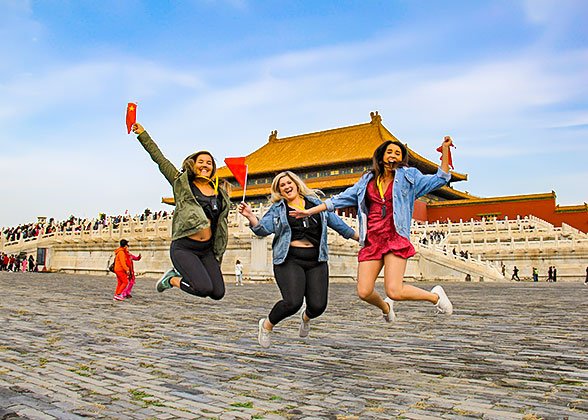
The Forbidden City is a one-way historical sequence rather than a collection of isolated palaces. Reserve through the current accepted process, match the passport name and identify the correct entrance. The central axis explains state ceremony, while side halls reveal domestic life, art and administration. The Forbidden City guide provides a focused route.
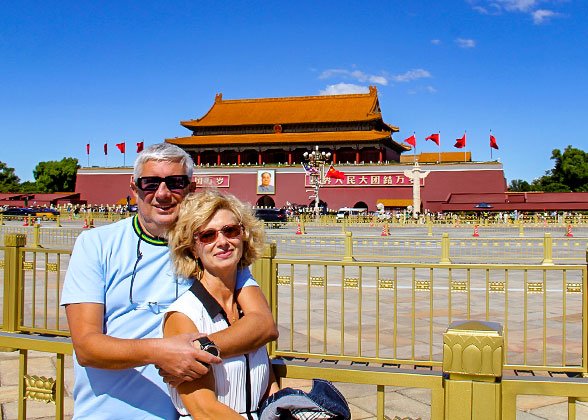
Combine the north exit with Jingshan when weather and energy allow. Avoid promising immediate vehicle pickup at every gate; central restrictions and pedestrian areas may require a walk. Tian’anmen-area access and security arrangements can change, so reconfirm the day’s entry process.
Transport, Hotels and Daily Pace
Beijing is large. Choose a hotel near a useful metro connection and the districts you will visit, not only a famous address. Save names in Chinese and leave extra time for traffic and security. A private vehicle is valuable for the Great Wall, while the metro is often efficient for central sights.
Winter can be cold and dry; summer can be hot, humid and stormy; spring may be windy. Check current conditions and the China weather guide. Start outdoor days early where appropriate but do not turn every morning into a predawn departure.
Food and Neighborhoods
- Try roast duck at a restaurant that explains portion size and serving style.
- Explore noodles, dumplings and sesame-based snacks beyond headline dishes.
- Use hutongs respectfully; they remain residential neighborhoods, not open-air sets.
- Ask before photographing residents, doorways or private courtyards.
- Choose an evening performance only after checking the venue, duration and transport home.
- Keep one meal flexible so the itinerary can respond to energy and location.
Beijing Tours FAQ
How many days do I need in Beijing?
Three full days cover the imperial core, one Great Wall section and a temple or neighborhood day. Four or five days create a more comfortable visit.
Which Great Wall section is best for first-time visitors?
Mutianyu is a common balanced choice, but the best section depends on mobility, crowd tolerance, season and transport.
Can I visit the Forbidden City and Great Wall in one day?
It is technically possible in some private arrangements but creates a rushed, exhausting day. Give each landmark enough time.
Where should I stay in Beijing?
Choose a well-connected district near the activities that matter to you. Metro access, quiet, room quality and realistic transfer time are more useful than one universal neighborhood.
For broader city context, see the Beijing travel guide or compare a custom route through Tailor My Trip.