What is Xinjiang famous for?
Peerless natural beauty, diverse ethnic cultures, and rich Silk Road history.
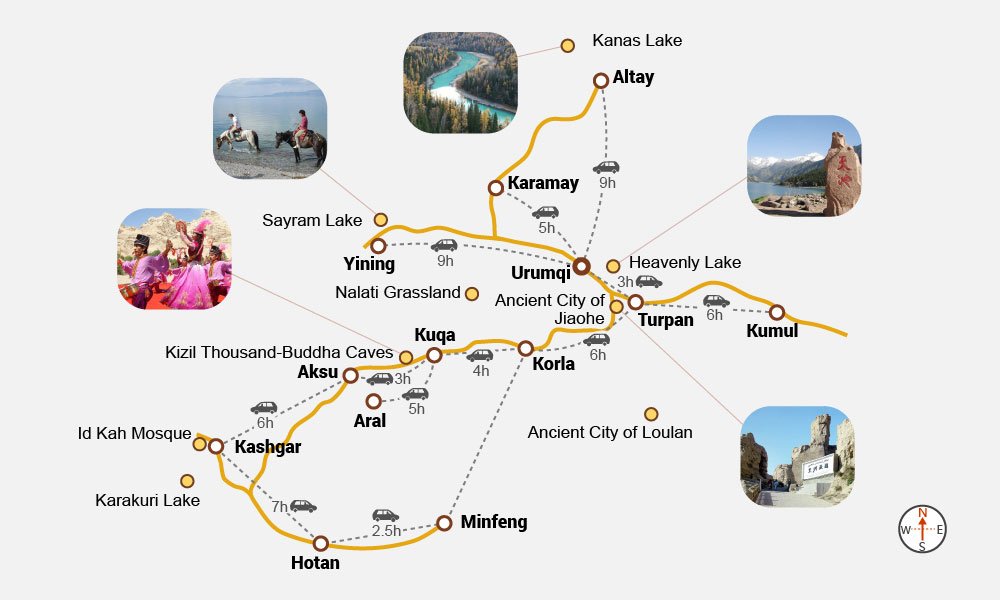
The vast territory endows Xinjiang with some out-of-the-world landscapes, from the Heavenly Lake near Urumqi, Yili’s deep-blue Sayram Lake, the Kanas Lake in the Altai Mountains, green Nalati Grassland with wild flowers blooming, the isolated Hemu Village shrouded in morning mist, to the scenic Duku Highway that allows you to take in the beauty of four seasons in one day, the sacred Pamirs, and the Taklimakan Desert with golden poplar forests.
For history buffs, trace the ancient Silk Road in Jiaohe & Gaochang Ancient Cities, and experience once-blooming Buddhist culture in Bezeklik Caves, and savor authentic ethnic melting cultures in Kashgar Old Town, where Uyghur-style residences, old bazaars, and hundred-year-old tea houses are tucked away in maze-like streets..
When is the best time to visit Xinjiang?
The best time generally starts from June to October. However, the specific time may vary a little, depending on your particular destination, as various regions here are largely seasonal.
If you want to explore the natural beauty of northern Xinjiang, then the summer months of June to September are the perfect time to admire lavender fields and rapeseed flowers in full bloom. Meanwhile, the scenery of the "Oriental Switzerland", composed of grasslands, lakes, and snow-capped mountains, will also be at its best during this period. If you are after China’s most beautiful autumn colors, make sure to visit the Kanas Lake and Hemu Village in mid-September, as they are located at the northernmost tip, where the cold air arrives early. The best viewing period lasts for about two weeks.
For a southern Xinjiang exploration, August to October is the best time, during which clear skies, crisp air, and fragrant fruits like apples, grapes, pears, and Hami melons are in full swing. It swaps the sandstorms of spring, the scorching heat of summer, and the bitter cold of winter for the most comfortable weather of the year. By the way, October is the best time to admire the spectacular golden poplar forests.
How many days are needed for a Xinjiang tour?
At least 4 to 6 days are needed for a short trip to glimpse the essence. Feel the clash and blend of tradition and modernity in its capital Urumqi, explore the Heavenly Lake, and spend some time exploring Turpan or Kashgar.
7 to 9 days are appropriate for a separate Northern or Southern part exploration. Pack up Urumqi, Kanas, Hemu, or Nalati Grassland, Sayram Lake in one Xinjiang tour package, or trace the ancient Silk Road history and get a taste of Uyghur Islamic culture in the old town of Kashgar.
10 to 12 days allow more space to combine the northern Xinjiang’s breathtaking natural scenery with the southern Xinjiang’s fascinating culture and history. It’s possible to explore Urumqi, Turpan, Hotan, Kashgar and other hidden gems in one go. 14 days or more is suggested for those looking to have a deep exploration, or extend to other Chinese cities.
Is Xinjiang safe for tourists?
Yes, Xinjiang is a quite safe place to travel with a low violent crime rate. Visitors will encounter frequent security checks, including checkpoints during cross-city travel and routine scans at attraction entrances, hotels, and bazaars. While these procedures might cause a little bit of tension for tourists, they are in fact standard administrative measures. Simply remain relaxed and carry your identification. However, keep aware and vigilant when hanging out alone at night, as anywhere in the world.
Do I need a tour guide in Xinjiang?
While it is possible to go solo, hiring a private English guide or joining a tour group is more suggested. First, Xinjiang is so large, with an area approximately 2.5 times that of France. It means the distance between attractions can be so long that public transportation is time-consuming and not very convenient. Second, very few people here can speak English, and it may be hard to communicate with the locals, which makes an independent trip even more difficult. As a result, a reliable travel agency like us is necessary to remove these barriers.
How to travel to Xinjiang?
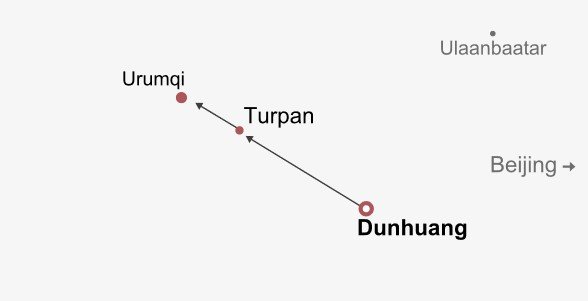
In general, flights are the first choice, and Urumqi always serves as the main gateway, operating both international and domestic flights. It takes about 4-5 hours from Beijing to Urumqi, and about 6 hours from Shanghai or Hong Kong. Trains are not so recommended as more than 30 hours are needed from Beijing to Urumqi, unless you depart from some western cities like Dunhuang or Lanzhou, while the fastest high-speed train also requires about 10 hours.
Which is more scenic, North or South Xinjiang?
The vast Xinjiang is divided into two parts by the magnificent Heavenly Mountains, which also endows its north and south with different characteristics and charms. The north boasts top natural landscapes, covering snow-capped mountains, grasslands, lakes, and dense forests, suitable for outdoor enthusiasts, photographers, and those seeking visually stunning experiences. The south part features more authentic Uyghur culture and customs, deep Silk Road history, and desert landscapes.
What are the must-try foods in Xinjiang?
The local food features a blend of traditional Chinese flavors and some Turkish, Central Asian, and Russian dishes. Typical foods include the sizzling roasted lamb skewers, with juicy interior and crispy exterior, sprinkled with spices like cumin and chili powder; lamb pilaf, the salty staple rice cooked with lamb, onion, raisins, and light sweet carrots; baked samosa, with thin yet crispy crescent outer filled with the flavorful juicy filling of chopped lamb, onions, and cumin. Naan, a kind of Uyghur flat bread, and the big-plate chicken, which features spicy chicken stew with potatoes and pepper, are also popular dishes you should try.

 7 Days Urumqi - Turpan - Kumtag Desert - Urumqi - Kashgar from USD1649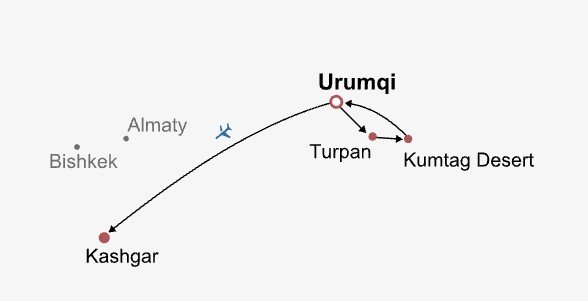
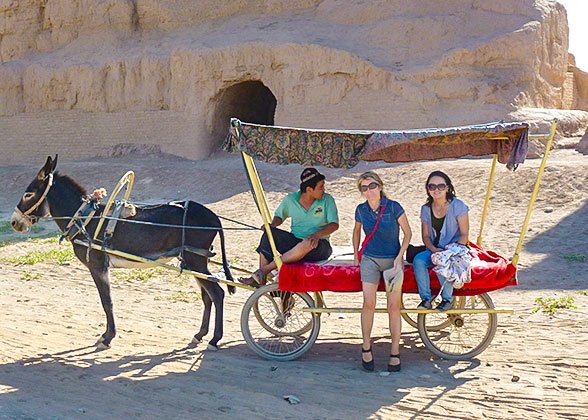 12 Days Urumqi - Turpan - Korla - Kuqa - Aral - Hotan - Kashgar from USD2789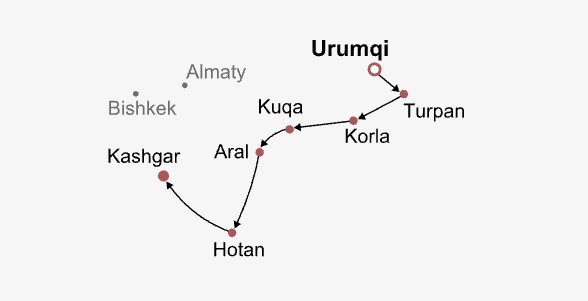
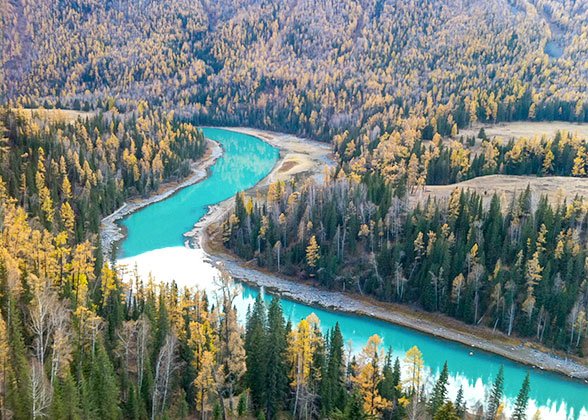 8 Days Urumqi - Fuyun - Buerjin - Kanas Lake - Hemu - Buerjin - Kuitun - Urumqi from USD1529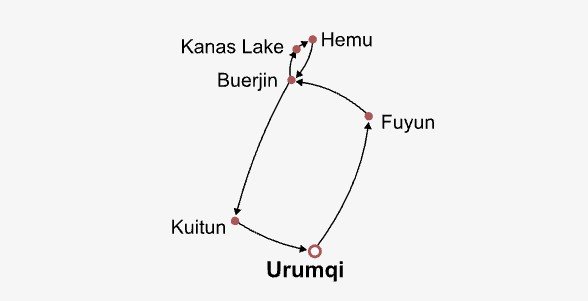
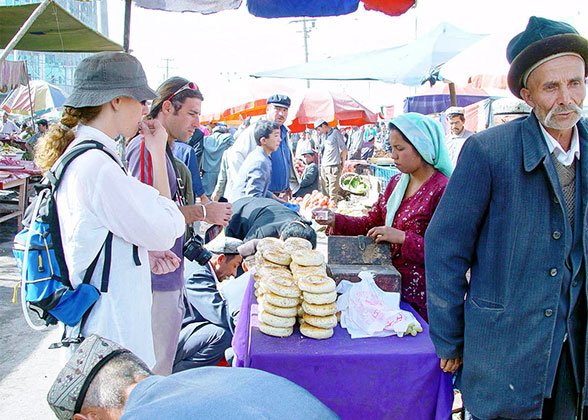 6 Days Urumqi - Kuitun - Nalati Grassland - Sayram Lake - Yining from USD1219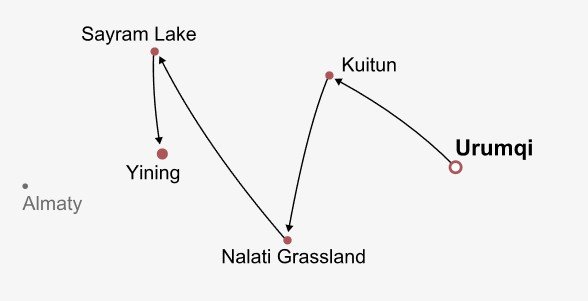
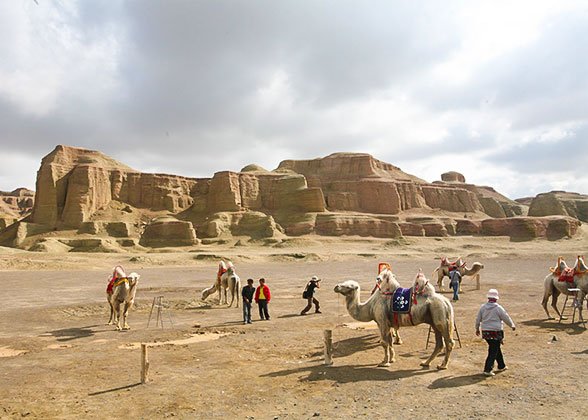 More Silk Road Tours, 7 itineraries from USD1159